22. 9. 2025
Menopause? Not a Scarecrow, but a Life Reset
Menopause is a natural part of every woman’s life. That’s a simple fact — but no woman should have to resign herself to hot flashes, mood swings, sleepless nights, or moments when she feels as if she’s literally swimming in her own sweat. Medicine has long known how to manage these symptoms: hormone replacement therapy (HRT). Yet in the Czech Republic, only about 8% of women who would benefit from HRT actually use it — despite strong evidence of its safety and effectiveness.
“Many women try to find a universal recipe for how to handle menopause. For women who are good candidates, HRT is absolutely fundamental — and completely safe. Everything else depends on the individual needs of each woman. At the Longevity Clinic, we help uncover what their body needs and create a personalised plan. Thanks to that, we can not only relieve menopausal symptoms, but also slow their onset,” explains Miro Skořepa, Longevity Architect and founder of Zenith Swiss Longevity Clinic in Prague.
Individualisation is essential, confirms the clinic’s Chief Medical Officer, MUDr. Michal Konštacký, PhD, MBA:
“There is no single universal path. Every woman goes through the menopausal transition differently. That’s why we use detailed diagnostics through our Nexus application, which integrates genetic tests, biomarkers, wearable-device data, and lifestyle information. This allows us to see exactly where a woman is in the process — and propose nutrition, sleep, and activity adjustments that help slow the onset of menopause and ageing in general, and reduce her biological age.”
The Earlier, the Better — a Rule with No Exceptions
Menopause does not arrive overnight. Hormonal changes can begin much earlier — even around one’s early forties. In premenopause, the ovaries begin to slow their activity and hormone production starts to decline.
The second stage, perimenopause, typically appears around age fifty and is marked by significant menstrual irregularities. During this phase, typical symptoms may appear with varying intensity — hot flashes, sweating, sleep problems, and more.
The final stage, postmenopause, begins one year after the last menstrual period and the body gradually adapts to new conditions. How long this phase lasts depends not only on hormonal shifts but also on how intensely a woman experiences the symptoms that accompany it.
“Proper nutrition, enough protein and vitamin D, an anti-inflammatory diet, and regular movement can significantly influence how smoothly a woman navigates this period of hormonal change. At Longevity, we combine modern scientific knowledge with long-term personalised care tailored to each woman’s needs,” says Miro Skořepa. According to him, it’s possible to start at any time — even before symptoms appear, or during fully developed menopause.
And this approach works for all women — including those who cannot use HRT for medical reasons.
“Ageing isn’t a punishment — it’s an opportunity to start living differently. When a woman accepts that taking care of herself is a meaningful investment, menopause can become the start of a new life chapter where she feels strong, healthy, and satisfied,” adds Skořepa.
According to the WHO, by 2030 there will be more than 1.2 billion menopausal or postmenopausal women worldwide. That is why it’s so important to realise that menopause is not an ending, but a natural milestone. And although it may bring challenges, it can also be a time when women rediscover themselves. When we know we have tools to support our bodies, the transition becomes more of a new beginning — a chance to live healthier, more consciously, and with more joy.
A Few Helpful Tips
Nutrition: The Foundation of Health in Menopause
Limit sweets — ideally to no more than 25 g of sugar per day.
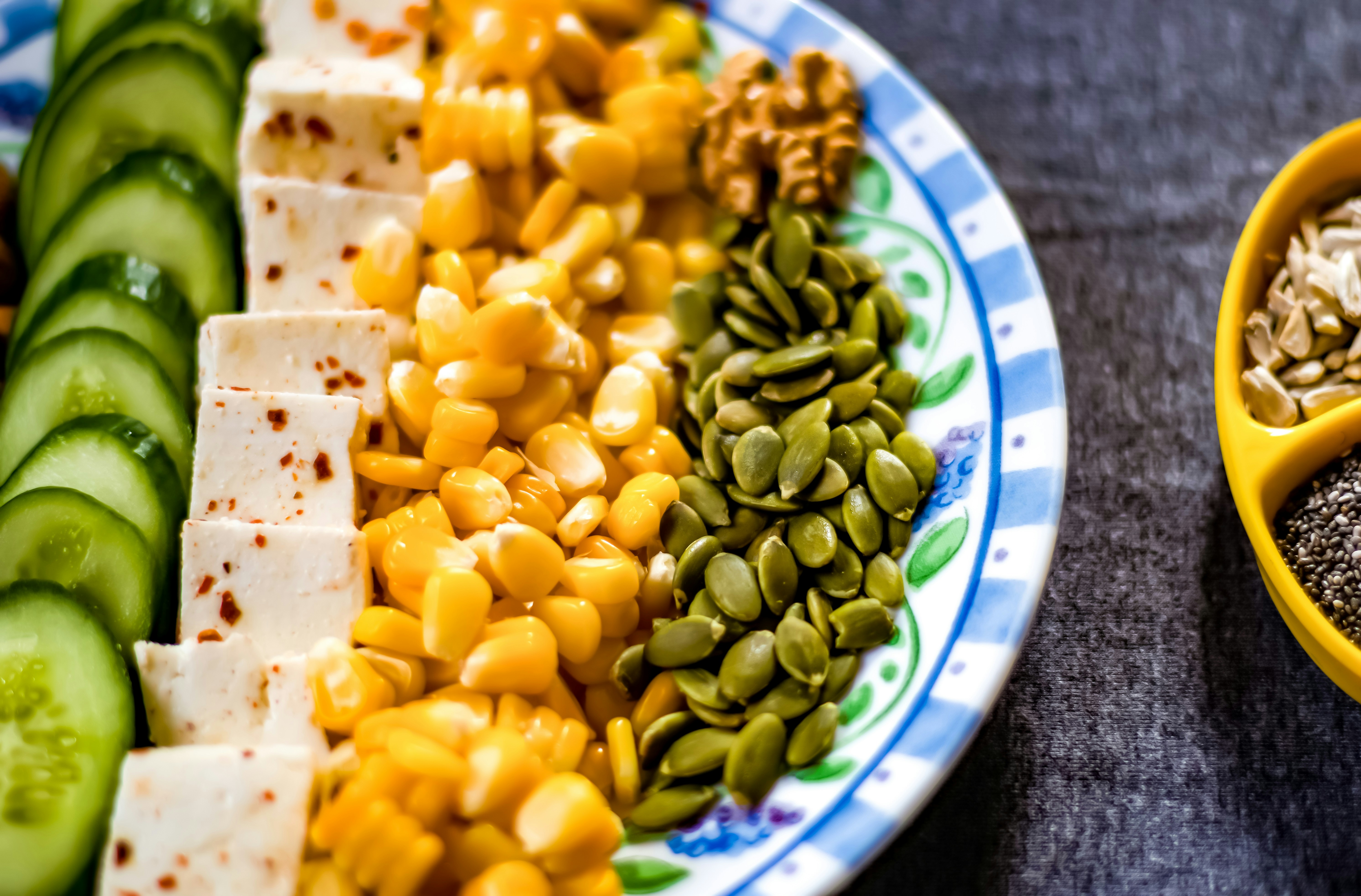
Eat more vegetables, fish, nuts, and seeds — they help reduce fatigue and joint pain.
Try 16:8 fasting — 16 hours without food (usually overnight and in the morning) and all meals within an 8-hour window (e.g., first meal at 11:00 and last at 19:00). This eating rhythm gives the body time to regenerate, reduces inflammation, and improves energy management.
Add nutrients women often lack:
Vitamin D — for bones and mood
Protein — for muscle (fish, meat, eggs, legumes, yogurt)
Magnesium — for calm sleep (nuts, chocolate, vegetables)
Tip: Start your day with yogurt, nuts, and fruit; have a salad with salmon for lunch; and finish with baked fish and vegetables for dinner.
Movement: Strength Over Dieting
In the first 10 years after menopause, women lose 10–15% of muscle mass, insulin resistance increases, osteoporosis risk rises, and metabolism slows. That’s why strength training is essential.
Strength training 2–3× weekly: work major muscle groups, gradually increase load, and include balance training.
Cardio activities: uphill walking, swimming, cycling, or interval training.
Flexibility: yoga, pilates, and stretching to support joint health.
Goal: at least 150 minutes of moderate activity per week — roughly 21 minutes a day or 30 minutes five times per week.
Sleep: The Basis of Regeneration
Up to 60% of women in menopause experience sleep disorders. Without quality sleep, neither nutrition nor exercise can work effectively.
What helps:
Go to bed and wake up at regular times
Keep the bedroom cooler (16–19 °C)
Avoid caffeine after 2 PM
Create a relaxing pre-sleep routine
For night-time hot flashes: cool down briefly, then return to bed.
If problems persist, it may be sleep apnoea — in that case, consulting a specialist is worthwhile.