7. 6. 2025
MUDr. Michal Konštacký in Vogue on Longevity
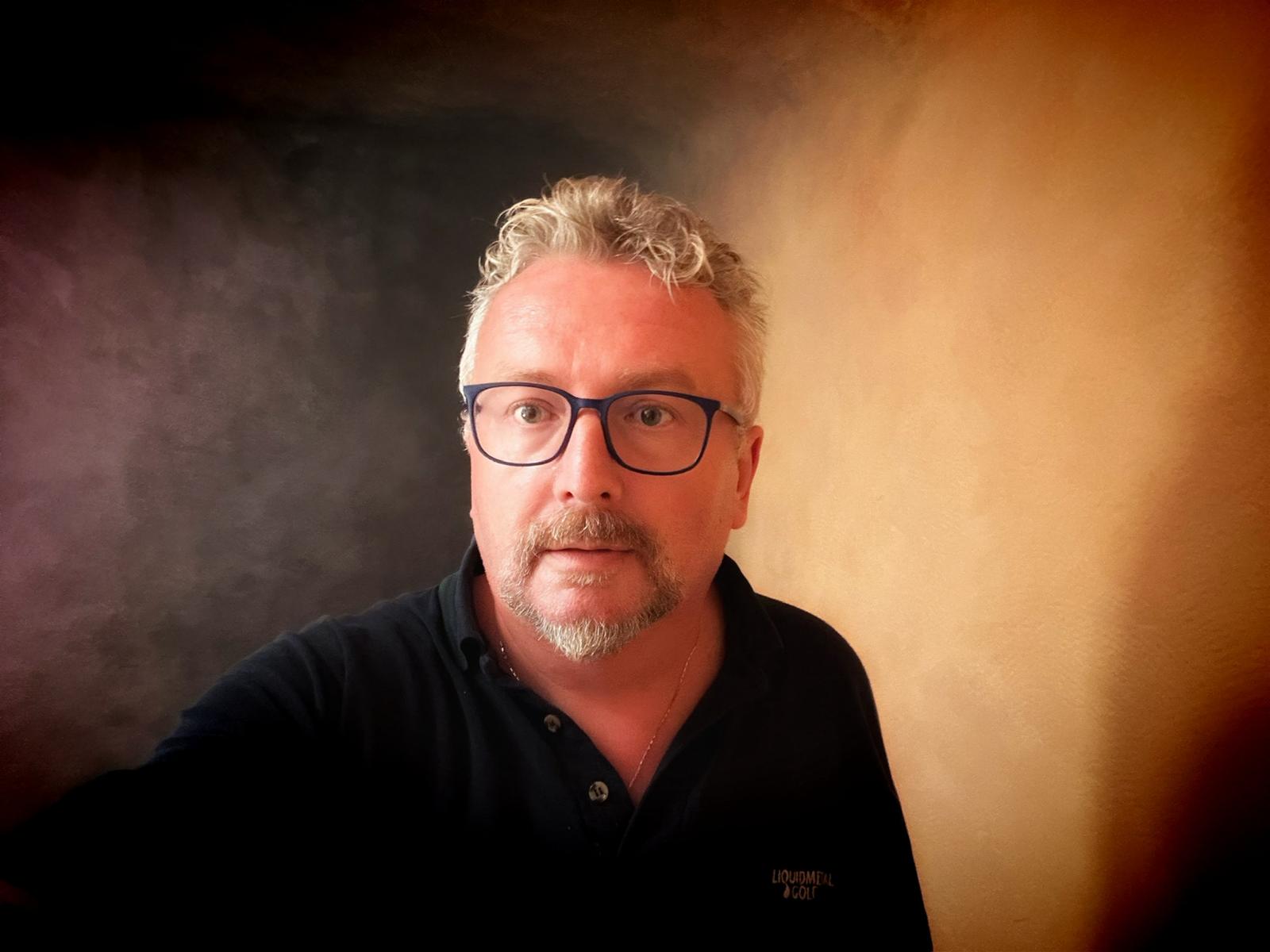
People today live longer than at any other time in history — but the real question is: are we living better? Modern medicine has learned how to save lives, but only longevity medicine is learning how to extend the years we spend truly healthy. At Zenith Swiss Longevity, we believe that longevity is not just a biological possibility — it is a skill. Something we can influence every day through our decisions, lifestyle, and timely diagnostics.
That is exactly what the clinic’s Chief Medical Officer, MUDr. Michal Konštacký, PhD., MBA, talks about in his interview for Vogue. We selected five key questions and answers that perfectly capture what longevity medicine means — and why it matters so much.
5 Questions and Answers About Longevity Everyone Should Know
1) The ageing process can be described as the accumulation of cellular damage beyond what the body can tolerate. Is it possible to prevent this?
I spent many years working in the field of genetic and lysosomal disorders, and I consider lysosome research essential for understanding longevity. You can imagine lysosomes as the “garbage collectors” of our cells — they remove harmful foreign substances such as viruses and bacteria, but they also break down damaged parts of our own cells. This gives the body a chance to repair damage and stay in better condition.
Well-functioning lysosomes protect us from cancer and infections and help slow down ageing. This process, known as autophagy, can be supported by fasting, exercise, and also by certain medications (e.g. metformin, rapamycin) or supplements such as spermidine or resveratrol. It is no coincidence that Nobel Prizes in Medicine were awarded for the discoveries of lysosomes and autophagy.
The goal of all these approaches is the same: slow ageing while maintaining quality of life.
2) So the ultimate goal of longevity isn’t to create a “Macropulos case.” After all, a long life without health, quality, or meaning is hardly enough…
It is fascinating to see how different cultures connect a meaningful life with longevity. The Japanese have their ikigai — a sense of purpose and engagement within community. When I moved to Switzerland, a country with one of the highest proportions of long-lived people, locals advised me to join one of their many local associations. These communities form the backbone of social life here — there are around 80,000 to 100,000 associations for just 9 million people.
In Spain, you can join dancing groups at Rambla del Prat or in Barcelona’s Ciutadella Park. In China, people practise tai chi in groups early in the morning.
And we Czechs? Our gardens are like open-air therapy, and organisations such as Sokol are among our greatest cultural contributions. These small traditions show how community and meaning can be the keys to health and longevity.
Meaningful work is also crucial. Both my parents continued working even in retirement because it fulfilled them and made them happy.
3) Longevity is no longer the exclusive domain of elites or the ultra-wealthy. Popularisers have brought it into mainstream awareness, and supplements have become cheaper…
There is a small group of people for whom longevity is genetic. They smoke, drink, ignore diet and exercise — and still live long lives.
The rest of us, however, must earn our health and longevity.
Fortunately, most biohacks are now accessible thanks to easy access to information. When it comes to fasting, exercise, or cold exposure, your bank balance doesn’t matter — and not every millionaire wants to jump into freezing water in the morning.
Interestingly, the most common clients of longevity clinics today are thirty-something IT professionals, who love data and fitness.
4) Do you have your own personal longevity supplement stack? And could I see it?
At home I have vitamins, omega-3s, coenzyme Q10, magnesium, and I’m considering spermidine. Metformin, citrulline, and NMN are also interesting for supporting cellular energy.
I sometimes get tips from elite sports coaches or physiotherapists — during extreme physical stress, the body reacts even to small imbalances.
My girlfriend Barbora is an active tennis player (around 200th in the Swiss ranking). When she removed gluten from her diet, not only did her skin improve, but so did her tennis performance. I don’t notice such changes in my own recreational sports — my forehand won’t tell you much — but thanks to local coaches we discovered a healthier chocolate that eliminated our cramps during summer tournaments. We even joked about sending a sample to tennis player Tomáš Macháč to help him during international matches.
It’s inspiring to watch older athletes keep in great shape. We play football-tennis with a former local football player named Klaus, who is 74 and keeps up with twenty-year-olds. His example shows how crucial movement is. Even with a few extra kilos, it’s important to stay fit.
Healthcare can treat us when we’re ill, but staying healthy is our own responsibility. Small lifestyle changes can have a huge impact — you just need to decide and begin.
5) Which longevity insights have you personally incorporated into your lifestyle — and what are you still working on?
Do you know Jeanne Calment? The French woman who lived to 122 years old — an extraordinary example of longevity. Compared to the average life expectancy of men in the Czech region of Ústí nad Labem (73 years), that’s a difference of nearly 50 years. In Switzerland, where I live, the average male life expectancy is 82, showing the impact of a healthier lifestyle.
Personally, I felt a dramatic difference when I significantly reduced alcohol. I have more energy, I sleep better, and my resting heart rate at night has dropped. I walk around 5 km a day, cycle, and lost 16 kilograms thanks to dietary changes and intermittent fasting. I try to limit sugars and starches and occasionally follow a ketogenic diet. It’s not everything, but the important thing is to start somewhere!
A recent study published in Mayo Clinic Proceedings, which tracked 8,577 Copenhagen residents over 25 years, found that regular tennis can extend lifespan by 9.7 years compared to a sedentary lifestyle. You can tempt me to play tennis or padel at any hour of the day or night.
Last year I also underwent a preventive colonoscopy — and I highly recommend this examination to everyone around age 50. Don’t be afraid of it!
You can read the full interview (in Czech) in the Vogue magazine.